Purpura Spots Baby - Purpura Types Causes Diagnosis And Treatment / The inflammationcauses bloodvessels in the skin, intestines, kidneys,.
Get link
Facebook
X
Pinterest
Email
Other Apps
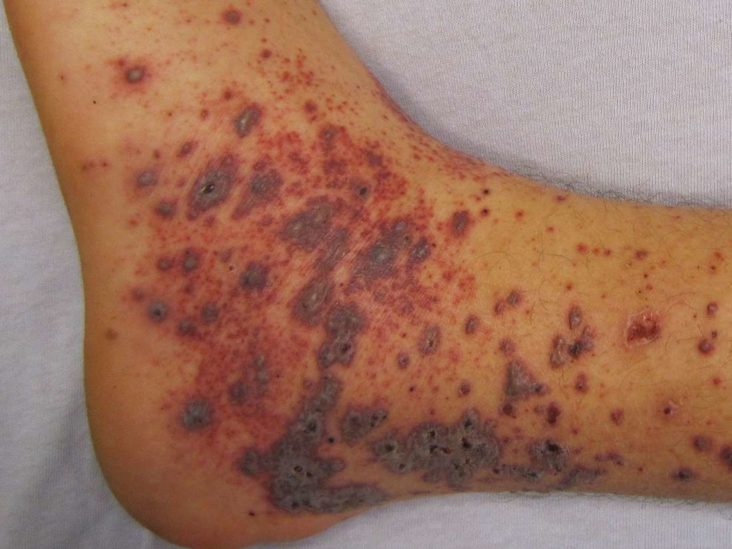
Purpura Spots Baby - Purpura Types Causes Diagnosis And Treatment / The inflammationcauses bloodvessels in the skin, intestines, kidneys,.. Petechiae don't look like bruises. They usually appear on the face, body, upper arms and thighs. All the information, content and live chat provided on the site is intended to be for informational purposes only, and not a substitute for professional or medical advice These purpura spots are caused by small hemorrhages under the skin and are not associated with abnormally low levels of platelets (nonthrombocytopenic) as is common with some other forms of purpura. A child with hsp may also have joint pain, abdominal pain, and/or kidney problems.
Petechiae appear as tiny, red, pinpoint, flat spots. Immune thrombocytopenia (itp) is a disorder that can lead to easy or excessive bruising and bleeding. So a child may have some small petechial spots and some larger areas of purpura. They are tiny, flat, red or purple spots in the skin, but they are different than the tiny, flat, red spots or birthmarks (hemangiomas) that are present all the time. A baby's skin is paper thin.
Meningitis Making The Diagnosis from www.mrfpaediatricguide.info These spots can also be purple or brown in color and often appear in clusters that look like skin rash. The primary symptom of petechiae in babies is the appearance of pinprick sized red spots under the skin. The rash can disappear and reappear. They are tiny, flat, red or purple spots in the skin, but they are different than the tiny, flat, red spots or birthmarks (hemangiomas) that are present all the time. If you have tiny red, purple, or brown spots on. Petechiae appear as tiny, red, pinpoint, flat spots. Any newborn with petechiae should be promptly reviewed with a senior clinician You will find them all over your skin in various parts of your body but mostly in your arms and lower legs.
There are additional causes of petechiae that should be considered in newborns (eg congenital cytomegalovirus, toxoplasmosis, neonatal lupus).
Purpura might look like bruises, but they are not caused by an injury as most regular bruises are. They usually appear on the face, body, upper arms and thighs. It may suggest a problem with the lungs or heart. It should clear up in a few weeks without treatment. It is most easily seen where the skin is thin, such as the lips, mouth, earlobes and fingernails. The initial signs of senile purpura are purple or red bruises that have an irregular shape. They may also be covered in white goo, called vernix caseosa. Moisturizing the skin is essential, so try a mild baby lotion or oil. Therefore, environmental changes play a huge role in the color. Purpura occurs when small blood vessels burst, causing blood to pool just under the skin. The primary symptom of petechiae in babies is the appearance of pinprick sized red spots under the skin. The bleeding results from unusually low levels of platelets — the cells that help blood clot. Don't use too much though, since this could block the pores and make it worse.
Petechiae are tiny red, flat spots that appear on your skin. They sometimes appear in clusters and may look like a rash. All the information, content and live chat provided on the site is intended to be for informational purposes only, and not a substitute for professional or medical advice The rash that is associated with purpura is sometimes referred to as either skin hemorrhages or blood spots. The rash can disappear and reappear.
What Is Idiopathic Thrombocytopenic Purpura Itp Hospital Management Systems Imedworks from ask.imedworks.com The rash can disappear and reappear. The spots are flat and don't itch or blanch (turn pale) when you press them. These purpura spots are caused by small hemorrhages under the skin and are not associated with abnormally low levels of platelets (nonthrombocytopenic) as is common with some other forms of purpura. Any newborn with petechiae should be promptly reviewed with a senior clinician A baby skin can develop irregular purple, blue, pink or red lacy patches on legs, arms or on any other parts of the body. Gently wipe the area using any soft material like a cotton ball or gentle washcloth. If you have tiny red, purple, or brown spots on. Nonviral rashes may be caused by other germs, including bacteria or a fungus like mold or yeast,.
They usually appear on the face, body, upper arms and thighs.
These spots can also be purple or brown in color and often appear in clusters that look like skin rash. Purpura spots are generally benign, but may indicate a more serious medical condition, such as a blood clotting disorder. It can also affect blood vessels in the intestines and the kidneys. Purpura might look like bruises, but they are not caused by an injury as most regular bruises are. Some of the most common children's illnesses come with spots and rashes on the skin. If there is no pro … The one rash that requires an urgent call to your doctor or er visit right away petechiae or purpura forms when blood vessels under the skin break open. Nearly every child diagnosed with hsp has a painless rash. Purpura is the result of hemorrhage into the skin or mucosal membrane. They appear as small purple spots just beneath the skin's surface. You will find them all over your skin in various parts of your body but mostly in your arms and lower legs. The initial signs of senile purpura are purple or red bruises that have an irregular shape. If you have tiny red, purple, or brown spots on.
These purpura spots are caused by small hemorrhages under the skin and are not associated with abnormally low levels of platelets (nonthrombocytopenic) as is common with some other forms of purpura. They sometimes appear in clusters and may look like a rash. Other skin lesions associated with hsp include large hives (urticarial wheals) or ulcers (necrotic), especially on the buttocks and legs. Raised red, yellow and white spots (erythema toxicum) can appear on babies when they're born. The bleeding results from unusually low levels of platelets — the cells that help blood clot.
Purpura Vs Petechaie Differences Causes And Treatments from post.medicalnewstoday.com Petechiae appear as tiny, red, pinpoint, flat spots. Usually, the first sign of hsp is a rash called palpable purpura that appears as dark reddish splotches on the feet, legs, and buttocks. It can also affect blood vessels in the intestines and the kidneys. They appear as small purple spots just beneath the skin's surface. Other skin lesions associated with hsp include large hives (urticarial wheals) or ulcers (necrotic), especially on the buttocks and legs. Petechiae are tiny red, flat spots that appear on your skin. Well infants with localized purpura and/or petechiae with an absence of fever are more likely to have a benign etiology. Purpura might look like bruises, but they are not caused by an injury as most regular bruises are.
Moisturizing the skin is essential, so try a mild baby lotion or oil.
They sometimes appear in clusters and may look like a rash. Symptoms include a purple spotted skin rash, abdominal pain and gastrointestinal upsets such as diarrhoea. The initial signs of senile purpura are purple or red bruises that have an irregular shape. It can also affect blood vessels in the intestines and the kidneys. Purpura occurs when small blood vessels burst, causing blood to pool just under the skin. There are additional causes of petechiae that should be considered in newborns (eg congenital cytomegalovirus, toxoplasmosis, neonatal lupus). If there is no pro … The bleeding results from unusually low levels of platelets — the cells that help blood clot. Hsp usually affects the small blood vessels in the skin, causing a rash that is called purpura. So a child may have some small petechial spots and some larger areas of purpura. The spots are flat and don't itch or blanch (turn pale) when you press them. The inflammationcauses bloodvessels in the skin, intestines, kidneys,. All the information, content and live chat provided on the site is intended to be for informational purposes only, and not a substitute for professional or medical advice
You will find them all over your skin in various parts of your body but mostly in your arms and lower legs purpura spots. Occasionally, this condition may affect the entire body skin of a newborn with blue or purple patches leading to a blue baby.


Comments
Post a Comment